

Helping You Remember, Personalise and Share Their Story
We look beyond the words you share, helping you explore more memories, make your tribute your own and feel more prepared to share it.
We Look Beyond the Words You Share
When you share your memories with us, we don't simply arrange them into a tribute. We take time to consider the stories behind them, the words and expressions you use, and the little details that help us understand the person you're remembering and the relationship you shared.
That thoughtful attention helps us shape a more personal tribute and identify opportunities for you to explore further memories. Sometimes, a simple question can bring to mind an everyday moment, a familiar expression or a treasured story you hadn't thought about for years.
Through personalised reflection prompts, personalisation guidance and practical speaking tips, we help you make more of your memories, bring your own voice into the tribute and feel more prepared to share it.
Reflection Prompts
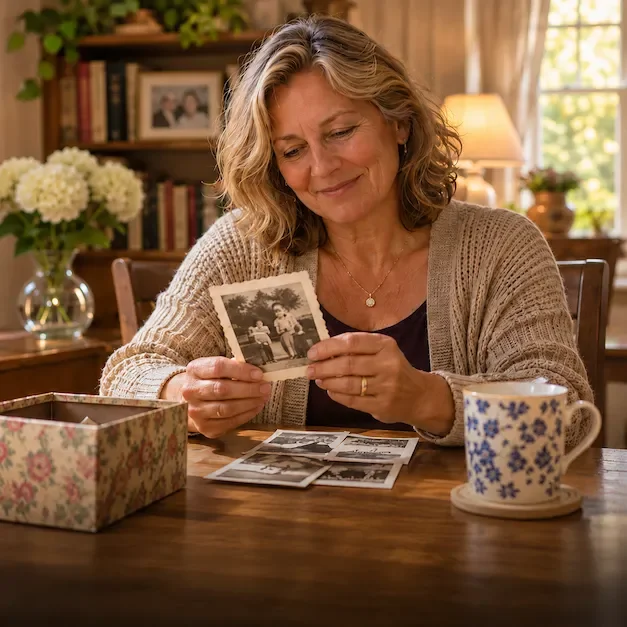
Discover More of the Memories That Matter
When remembering someone you love, it's often the bigger moments that come to mind first — family holidays, special occasions, important milestones and the stories you've shared many times before.
But what about the smaller, everyday moments? Their familiar expressions, little habits, the things that made you laugh, or conversations you hadn't thought about for years? Sometimes, it's these little details that bring someone's personality most vividly to life.
Our personalised reflection prompts are thoughtful questions inspired by the memories you've already shared with us. They gently encourage you to look a little deeper, explore details you may have overlooked and perhaps recall other moments you hadn't initially considered.
For example: You might tell us that your father loved gardening. We might ask what you remember about spending time with him in the garden. Perhaps that brings back the way he proudly showed you his tomatoes, the old gloves he always wore, or the conversations you shared while helping him.
And here's something important: not every memory you rediscover needs to become part of your tribute. Some may simply bring a smile, remind you of a treasured moment or become stories you'd like to share with family for years to come.
There's no pressure to remember more, and some memories may be bittersweet. Our prompts simply offer an opportunity for you to reflect, at your own pace, on the person you love.
Your tribute has a deadline. Your memories don't.
Personalisation Guidance

Helping You Make Your Tribute Truly Yours
A meaningful tribute isn't just about what you say. It's also about how you say it, and whether the words genuinely reflect the person you're remembering and the relationship you shared.
When you share your memories with us, we pay attention to the language you naturally use, the expressions that matter to you, and the warmth, humour or affection in the way you describe your loved one.
That understanding helps us prepare your tribute and provide personalisation guidance tailored to your own words and experiences. We might suggest ways to make a passage sound more natural, bring out someone's personality or give a particular moment greater meaning.
For example: A tribute might describe your father as “a kind and generous man who always helped others.” Our guidance might suggest replacing that general description with a familiar expression he used, or drawing on a specific example you've already shared that illustrates his generosity.
It's not about making the tribute longer or more elaborate. Sometimes, a small change in wording or emphasis can make it feel considerably more personal.
Our guidance helps you express your memories in words that feel natural, personal and true to you.
It's your tribute, and you always have the final say.
Speaking Tips

Helping You Feel More Prepared to Share Your Tribute
Standing in front of family and friends to share a tribute can feel daunting, especially when you're remembering someone you love. Even people who are comfortable speaking in public may find this occasion particularly emotional.
That's why our speaking tips go beyond general advice. We consider the content of your tribute and the memories you've shared, offering practical suggestions tailored to the words, stories and emotions you may be sharing.
We might identify moments where a gentle pause could allow a meaningful memory to settle, where a change of pace could bring out the warmth or humour in a story, or where a particularly emotional passage might benefit from a little extra preparation.
For example: If your tribute includes a funny story about your father's habit of arriving late to every family gathering, we might suggest pausing briefly before the punchline and allowing a moment afterwards for people to smile or laugh. If the next passage is more emotional, we might suggest taking a breath before continuing.
Alongside these personalised suggestions, we offer practical guidance on practising aloud, keeping your place and preparing for moments when emotions might make speaking difficult.
You don't need to memorise every word, hide your emotions or sound like a professional speaker. Our aim is simply to help you feel more comfortable and prepared when the moment comes.
It's not about delivering a perfect speech. It's about sharing your memories in a way that feels right for you.
Every tribute is personal, and so is the support we provide.
Whether it's helping you explore another memory, find words that feel more natural, or prepare to share your tribute aloud, our guidance is shaped around your memories, your words and what matters to you.
You decide which suggestions to use, what to change and what feels right.
Your memories. Your tribute. We're simply here to help.